
Logiciels et maintenance
Disposer d'une architecture à systèmes ouverts et d'un appareil doté d'une infrastructure numérique permettant d'installer et de désinstaller très rapidement des logiciels : voilà ce qui fait de nous de meilleurs combattants.
We built our last aircraft before we had iPhones. Right now, the soldiers we have in the Army have had iPhones since they were children. User-facing interoperability is critical. The ability to page through in a logical fashion is critical, and I know Bell Textron has done the work that the front of this aircraft is going to be a more user-friendly interface, but also just a more mission-logical interface.
That's going to take the aviation branch forward into the next generation of the rotor fleet. Seeing things that have parts that are 3D printed, the ability to fix things and do diagnostic testing on the ground, I think our soldiers, specifically our crew chiefs, are very excited about.
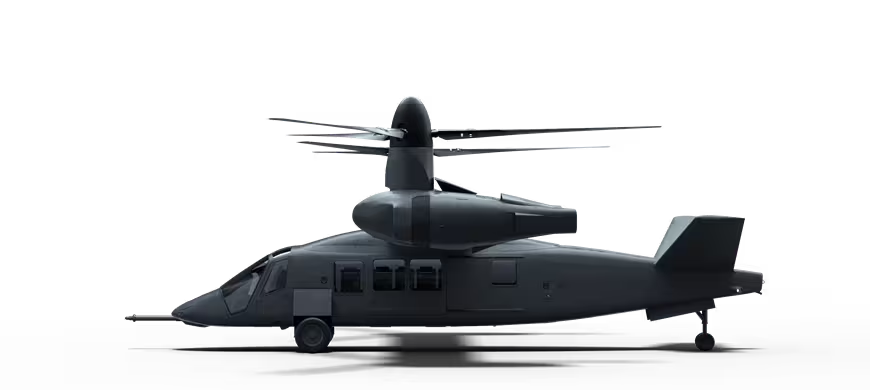
When you look at our legacy fleet as it is now, there's only so much you can do without structurally changing the aircraft. But the MV-75 is bringing something to us that we've never had before, which is that modular open systems architecture, the capability of rapidly upgrading a system without having to redesign the aircraft. Now, we've got a system that we know we can update ourselves.
The increased ability to just upgrade the system for us as a whole, and it be controlled finally by the Army instead of an individual entity who has proprietary rights to their system, is going to be huge for us. In the long run, it's going to save money, and it will reduce the time it takes to upgrade the aircraft, make us more survivable, and win tomorrow's wars.
Envie de recevoir des informations Bell ?
Recevez des mises à jour exclusives, des vidéos et des actualités sur les appareils Bell avant les autres. Rejoignez le futur de l'aviation verticale dès aujourd'hui.